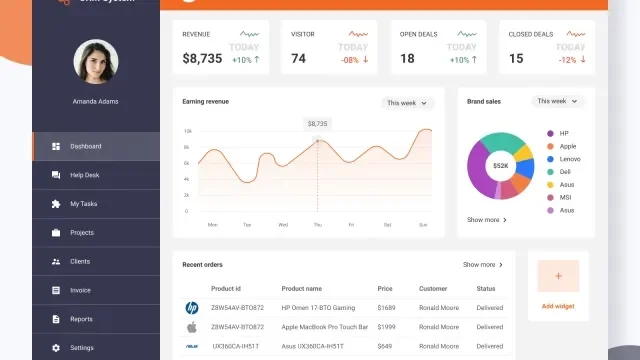
Welcome, dear reader, to the exciting world of Attentive CRM! In today’s fast-paced business environment, building and maintaining strong relationships with customers is more crucial than ever. Attentive CRM, also known as Customer Relationship Management, is revolutionizing the way businesses interact with their customers. By harnessing the power of data and technology, companies can now tailor their customer interactions to be more personalized and effective. This article will explore the key features and benefits of Attentive CRM and how it is transforming the way businesses engage with their customers.
Understanding Customer Needs
Understanding your customers’ needs is crucial for developing a successful CRM strategy. By taking the time to truly listen to your customers, you can gain valuable insights into what they are looking for and how you can best meet their expectations. This involves more than just hearing what they say; it also requires paying attention to their actions, preferences, and feedback.
One effective way to understand your customers’ needs is by conducting surveys or holding focus groups. By asking targeted questions and encouraging honest feedback, you can gather valuable information about what your customers want and expect from your products or services. This information can then be used to tailor your CRM approach to better meet their needs.
Another important aspect of understanding customer needs is keeping track of customer interactions and preferences. By keeping detailed records of past interactions, purchases, and feedback, you can gain insight into each customer’s individual preferences and expectations. This information can be used to personalize your interactions with customers, making them feel valued and understood.
In addition to gathering data on your customers’ needs and preferences, it is also important to actively listen to their feedback. Whether it is through social media, customer reviews, or direct communication, paying attention to what customers are saying about your products or services can provide valuable insights into areas of improvement or potential opportunities for growth.
Lastly, understanding customer needs also involves anticipating their future needs and staying ahead of the curve. By keeping up-to-date with industry trends and developments, you can anticipate changes in customer preferences and expectations, allowing you to proactively adjust your CRM strategy to meet their evolving needs.
In conclusion, understanding customer needs is a key component of attentive CRM. By listening to your customers, gathering feedback, keeping track of interactions, and staying abreast of industry trends, you can develop a CRM strategy that is tailored to meet the needs and expectations of your customers, ultimately leading to improved customer satisfaction and loyalty.
Personalizing Customer Interactions
Personalizing customer interactions is crucial in establishing a strong relationship with each individual customer. Gone are the days of generic, one-size-fits-all messages. In today’s competitive market, customers expect businesses to tailor their interactions to meet their specific needs and preferences.
One way to personalize customer interactions is by utilizing data analytics. By collecting and analyzing data on each customer’s past purchases, preferences, and behavior, businesses can gain valuable insights into what each customer likes and dislikes. This allows businesses to tailor their communications to match each customer’s unique tastes and preferences.
For example, if a customer frequently purchases a specific type of product, businesses can send targeted promotions or recommendations for similar products that the customer might be interested in. This not only shows the customer that the business values their preferences but also increases the likelihood of making a sale.
Another way to personalize customer interactions is by leveraging customer feedback. By actively soliciting feedback from customers through surveys, reviews, or social media, businesses can gain a deeper understanding of what their customers want and how they can improve their products or services. This feedback can then be used to tailor future interactions with customers, showing them that their opinions are valued and that the business is committed to meeting their needs.
Personalizing customer interactions also extends to the way businesses communicate with their customers. Instead of sending generic, mass-marketing emails, businesses can use personalized messaging to address each customer by name and reference past interactions or purchases. This not only makes the customer feel valued but also increases the chances of engagement and loyalty.
It’s important to note that personalizing customer interactions doesn’t have to be time-consuming or complicated. With the help of CRM software, businesses can automate the process of personalizing interactions by setting up triggers and workflows based on customer data. This allows businesses to send targeted messages at the right time, without the need for manual intervention.
In conclusion, personalizing customer interactions is essential for businesses looking to build strong relationships with their customers. By leveraging data analytics, soliciting feedback, and using personalized messaging, businesses can show their customers that they are valued and that their needs are a top priority. This not only leads to increased customer satisfaction but also boosts customer loyalty and retention.
Consistent Communication Channels
Consistent communication channels are essential in maintaining a strong relationship with customers. In today’s digital age, there is a wide range of communication channels available, such as email, phone, social media, and live chat. The key is to ensure that the channels you choose align with your customers’ preferences and provide a seamless experience across all platforms.
One way to achieve this consistency is by implementing a multi-channel approach. This means using a combination of communication channels to reach your customers. For example, you could send a follow-up email after a phone call or provide updates on social media about new products or services.
Another important aspect of consistent communication channels is ensuring that the messaging remains uniform across all platforms. This means using the same tone, branding, and key messages regardless of the channel. Customers should be able to recognize your brand no matter where they interact with you.
Additionally, it’s crucial to monitor and track customer interactions across all communication channels. This allows you to see which channels are most effective in engaging customers and which may need improvement. By analyzing data from various channels, you can tailor your communication strategy to better meet the needs and preferences of your customers.
Consistent communication channels also help to build trust and credibility with your customers. When they receive timely and relevant information through their preferred channel, they are more likely to view your brand positively and remain loyal. On the other hand, inconsistent or sporadic communication can lead to confusion and frustration, ultimately driving customers away.
In conclusion, consistent communication channels are crucial for maintaining a strong and attentive CRM strategy. By utilizing a multi-channel approach, ensuring uniform messaging, and tracking customer interactions, you can create a seamless experience that enhances customer satisfaction and loyalty. Remember, the key is to meet your customers where they are and communicate with them in a way that resonates with their preferences and needs.
Proactive Issue Resolution
Proactive issue resolution is a key aspect of attentive CRM that focuses on identifying and addressing potential problems before they escalate into larger issues. By taking a proactive approach to customer concerns, businesses can improve customer satisfaction and loyalty.
One way companies can proactively resolve issues is by implementing a customer feedback system that allows customers to provide feedback on their experiences. By regularly monitoring feedback and identifying common issues, businesses can address concerns before they become widespread problems. This approach not only helps improve customer satisfaction but also allows businesses to identify areas for improvement and innovation.
Another key aspect of proactive issue resolution is the use of data analytics to predict and prevent potential issues. By analyzing customer data, businesses can identify patterns and trends that indicate potential problems. For example, if a particular product is consistently receiving negative feedback or experiencing a high number of returns, businesses can take proactive steps to address the issue before it escalates.
Additionally, companies can use proactive communication strategies to keep customers informed about potential issues and how they are being addressed. By providing regular updates and communicating transparently with customers, businesses can build trust and confidence in their ability to resolve issues effectively. This can help mitigate the impact of any problems that do arise and prevent them from escalating into larger issues.
Overall, proactive issue resolution is a critical component of attentive CRM that can help businesses anticipate, address, and prevent customer concerns. By focusing on proactive strategies, businesses can improve customer satisfaction, loyalty, and retention, ultimately leading to long-term success and growth.
Building Long-Term Relationships
Building long-term relationships is essential for any business looking to thrive in today’s competitive market. A key component of successful customer relationship management (CRM) is the ability to cultivate lasting connections with customers that go beyond just one-time transactions. By focusing on building strong relationships with customers, businesses can increase customer loyalty, maximize customer lifetime value, and ultimately boost their bottom line.
One of the first steps in building long-term relationships is to truly understand your customers. This means taking the time to listen to their needs, preferences, and feedback. By gathering data on customer behaviors and interactions, businesses can gain valuable insights into what drives their customers and tailor their products and services accordingly. This personalized approach not only helps businesses meet their customers’ needs more effectively but also fosters a sense of trust and loyalty.
Another important aspect of building long-term relationships is staying in touch with customers on a regular basis. This can be done through a variety of channels, such as email marketing, social media, or personalized messaging. By maintaining consistent communication with customers, businesses can keep their brand top of mind and show customers that they are valued. This ongoing engagement helps to reinforce the relationship between the customer and the business, making it more likely that the customer will return for future purchases.
Additionally, businesses can build long-term relationships by going above and beyond for their customers. This might involve offering personalized recommendations, providing excellent customer service, or offering special promotions and discounts. By exceeding customer expectations, businesses can strengthen the bond with their customers and create a sense of loyalty that will keep them coming back time and time again.
Furthermore, building long-term relationships requires businesses to be responsive to customer feedback and concerns. By listening to customer complaints and addressing them promptly, businesses can show customers that their opinions are valued and that their satisfaction is a top priority. This proactive approach to customer service can help businesses resolve issues quickly and effectively, leading to happier customers and stronger relationships.
In conclusion, building long-term relationships is crucial for businesses looking to succeed in today’s competitive market. By understanding their customers, staying in touch, going above and beyond, and being responsive to feedback, businesses can cultivate lasting connections that will drive customer loyalty and ultimately lead to increased profitability. By prioritizing attentive CRM practices, businesses can create a strong foundation for long-term success and growth.