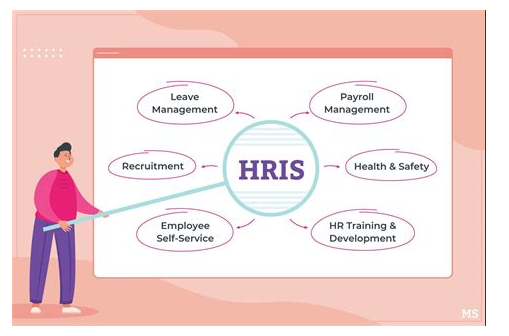
Welcome to our guide on comparing HRIS vendors and making the right choice for your business! Selecting the best Human Resource Information System (HRIS) vendor can be a daunting task, as there are numerous options available in the market. Whether you are a small business or a large corporation, finding the right HRIS vendor is crucial for streamlining your HR processes and improving overall efficiency. In this article, we will discuss key factors to consider when evaluating HRIS vendors and provide tips for making an informed decision that aligns with your business goals.
Key Considerations in Evaluating HRIS Vendors
Choosing the right HRIS vendor for your organization is a crucial decision that can have a lasting impact on your company’s efficiency and productivity. There are several key considerations to keep in mind when evaluating HRIS vendors to ensure you choose the best fit for your needs.
1. System Requirements: When evaluating HRIS vendors, it is essential to consider your organization’s specific system requirements. This includes assessing the size and complexity of your organization, the number of employees you have, and the specific HR functions you need the system to support. For example, if you have a large organization with complex payroll and benefits requirements, you will need an HRIS system that can handle these functions efficiently. On the other hand, if you have a small business with simple HR needs, you may be able to opt for a more basic HRIS system.
It is also important to consider the scalability of the HRIS system. As your organization grows, your HR needs may evolve, so it is essential to choose a system that can grow with your organization. Look for a vendor that offers regular updates and enhancements to their system to ensure it remains relevant and effective for your organization’s needs.
Another important consideration is integration capabilities. Your HRIS system will need to integrate with other systems and software used by your organization, such as payroll software, timekeeping systems, and performance management tools. Ensure that the HRIS vendor you choose offers robust integration capabilities and has experience integrating with the systems you currently use.
Lastly, consider the level of customization offered by the HRIS vendor. Every organization is unique, and you may need to customize certain aspects of the HRIS system to meet your specific needs. Look for a vendor that offers a high level of customization and flexibility, so you can tailor the system to fit your organization’s requirements.
By carefully evaluating these key considerations when choosing an HRIS vendor, you can ensure that you select a system that meets your organization’s needs and helps you streamline your HR processes effectively.
Features and Functionality Comparison of Top HRIS Vendors
When it comes to choosing a HRIS vendor for your organization, it is important to consider the features and functionality that each vendor offers. The top HRIS vendors in the market today provide a range of tools and capabilities to help streamline HR processes and improve overall efficiency. Let’s take a closer look at the key features and functionalities of some of the leading HRIS vendors:
1. ADP Workforce Now: ADP Workforce Now is a comprehensive HRIS solution that offers a wide range of features including payroll processing, benefits administration, time and attendance tracking, and talent management. This platform is known for its user-friendly interface and customizable reporting tools. ADP Workforce Now also integrates with other HR systems and has mobile capabilities for employees and managers to access the system on-the-go.
2. BambooHR: BambooHR is another popular HRIS vendor that is well-known for its intuitive interface and easy-to-use features. This platform offers a range of functionalities including employee self-service, onboarding, performance management, and applicant tracking. BambooHR also provides robust reporting tools and integrations with other HR systems such as payroll and benefits administration platforms. One of the key advantages of BambooHR is its scalability, making it a suitable option for growing businesses.
3. UltiPro: UltiPro is a cloud-based HRIS solution that offers a comprehensive suite of HR tools including payroll, benefits administration, performance management, and recruitment. This platform is known for its advanced analytics capabilities, allowing organizations to gain valuable insights into their workforce data. UltiPro also provides mobile access for employees and managers, as well as integrations with third-party systems for seamless data exchange.
4. Workday: Workday is a leading HRIS vendor that offers a range of features including human capital management, payroll, talent management, and workforce planning. This platform is known for its user-friendly interface and flexible configuration options. Workday also provides real-time analytics and reporting tools, as well as mobile access for employees and managers. With its strong focus on innovation and customer satisfaction, Workday is a popular choice for organizations looking to modernize their HR processes.
5. Gusto: Gusto is a user-friendly HRIS vendor that is designed for small and medium-sized businesses. This platform offers features such as payroll processing, benefits administration, and compliance management. Gusto also provides employee self-service tools and integrations with other HR systems such as time tracking and accounting software. With its affordable pricing and easy setup, Gusto is a popular choice for organizations that are looking for a simple and cost-effective HRIS solution.
Overall, when comparing the features and functionalities of top HRIS vendors, it is important to consider the specific needs and requirements of your organization. By carefully evaluating the key capabilities of each vendor, you can choose the HRIS solution that best aligns with your business goals and objectives.
Pricing and Contract Options in HRIS Vendor Selection
When choosing a HRIS vendor, it is crucial to consider the pricing and contract options offered. Different vendors may have varying pricing structures, including one-time fees, monthly subscriptions, or per-user fees. It is important to understand how these pricing models align with your budget and the features you require for your organization.
Before making a decision, it is essential to conduct a thorough cost analysis to ensure that the chosen HRIS vendor is within your financial means. Some vendors may offer a basic package at a lower cost, with the option to add on additional features for an extra fee. Others may have a tiered pricing system based on the size of your organization or the number of employees.
Aside from pricing, it is also essential to review the contract options offered by HRIS vendors. Some vendors may require a long-term contract, while others may offer a month-to-month subscription. It is crucial to understand the terms and conditions of the contract, including any cancellation fees or penalties for early termination.
When reviewing contract options, be sure to consider the scalability of the HRIS system. As your organization grows, you may need to upgrade your HRIS system to accommodate more employees or additional features. Ensure that the contract allows for flexibility and scalability to meet your evolving needs.
Additionally, consider the level of customer support provided by the HRIS vendor. It is crucial to have access to technical support and assistance when needed, especially during implementation and training. Review the vendor’s support options, including phone, email, live chat, or online resources, to ensure that you have the necessary support for your HRIS system.
In conclusion, when selecting a HRIS vendor, it is essential to carefully consider the pricing and contract options available. Conduct a cost analysis to ensure that the chosen vendor aligns with your budget and offers the features you require. Review the contract terms to ensure flexibility and scalability as your organization grows. Lastly, consider the level of customer support provided to ensure a smooth implementation and ongoing assistance with your HRIS system.
Customer Support and Service Levels Among HRIS Vendors
When it comes to choosing an HRIS vendor, customer support and service levels are crucial factors to consider. The level of support provided by a vendor can greatly impact your overall experience with the HRIS system. Here are some key points to keep in mind when comparing customer support and service levels among HRIS vendors:
1. Responsiveness: One of the most important aspects of customer support is the vendor’s responsiveness. How quickly can you expect a response when you have a question or issue? Are there multiple channels available for reaching out to customer support, such as phone, email, or chat? A vendor that is prompt in their responses and offers multiple ways to reach them will likely provide a better overall customer experience.
2. Knowledge and Expertise: It’s also important to consider the level of knowledge and expertise exhibited by the vendor’s customer support team. Are they well-trained in the HRIS system and able to provide effective solutions to your problems? Do they have a thorough understanding of the product and its features? A knowledgeable support team can make all the difference when you encounter technical issues or need assistance with system customization.
3. Proactive Support: In addition to being responsive and knowledgeable, the best HRIS vendors also offer proactive support. This means that they anticipate potential issues before they arise and work to prevent them from occurring. Proactive support can help you avoid downtime and frustration by addressing issues before they impact your daily operations.
4. Tailored Support Options: Some HRIS vendors offer tailored support options based on the specific needs of their customers. For example, they may provide dedicated account managers or personalized training sessions to help you make the most of your HRIS system. These customized support options can enhance your overall experience with the vendor and ensure that you are getting the most out of your investment.
5. Feedback Mechanisms: Lastly, it’s important to consider how HRIS vendors gather and respond to customer feedback. Do they actively seek input from their customers to improve their products and services? Are there mechanisms in place for providing suggestions or reporting issues with the system? A vendor that values customer feedback and uses it to drive continuous improvement is more likely to provide a positive support experience.
Overall, customer support and service levels play a critical role in the success of your HRIS implementation. By thoroughly evaluating these factors when comparing HRIS vendors, you can ensure that you choose a vendor that will provide the support you need to make the most of your HRIS system.
Implementation Process and Training Support from HRIS Vendors
When it comes to the implementation process of HRIS vendors, it is essential to consider the steps involved in setting up the system within your organization. The process typically begins with an initial assessment of your company’s needs and requirements. This assessment helps the vendor customize the software to best fit your organization’s unique structure and goals. Once the system is tailored to your specifications, the next step is the actual implementation, which involves installing the software, migrating data, and configuring the system to meet your specific needs.
During the implementation process, it is crucial to have ongoing support from the HRIS vendor. This support may come in the form of training sessions for your HR team to ensure they understand how to use the system effectively. Training can be conducted either on-site or remotely, depending on your preference and the vendor’s offerings. It is essential for the vendor to provide comprehensive training to ensure that your team can fully utilize all the features and functionalities of the HRIS platform.
In addition to training sessions, ongoing support is also critical for successful implementation. The HRIS vendor should offer regular check-ins to assess how the system is performing and to address any issues that may arise. This support can help minimize any disruptions to your HR processes and ensure a smooth transition to the new system.
Furthermore, the level of training and support provided by HRIS vendors can vary based on their expertise and experience. It is essential to choose a vendor that offers comprehensive training and ongoing support to ensure a successful implementation. Some vendors may also provide additional resources, such as user guides, online tutorials, and customer support hotlines, to help address any questions or concerns that may arise during the implementation process.
In conclusion, the implementation process and training support from HRIS vendors play a crucial role in the successful adoption of a new HRIS system within an organization. By selecting a vendor that offers comprehensive training and ongoing support, you can ensure that your team is fully equipped to utilize the system effectively and maximize its benefits. It is essential to prioritize the level of support and resources provided by the vendor when making your decision to ensure a smooth implementation process and long-term success with your HRIS platform.